01
What lenses does XinXin manufacture?
Custom plano lenses for sunglasses, sports eyewear, goggles, and protective eyewear for brands, private labels, and product teams.

OEM/ODM Lens Development for Eyewear Brands — From Specification and Sampling to Volume Production.
XinXin is a Shenzhen lens factory serving eyewear brands, private labels and product teams since 2012. We develop Nylon, PC, TAC and CR-39 lens solutions with polarization, photochromic and contrast-enhancing (Hi-Con) functions, mirror coatings, and custom tinting. Custom programs start at 300 pairs per specification, with finished-lens testing defined by the agreed specification and target market.
XinXin helps eyewear brands evaluate lens materials, customization options, MOQ, testing requirements, and the path from a lens brief to volume production.
Custom plano lenses for sunglasses, sports eyewear, goggles, and protective eyewear for brands, private labels, and product teams.
Nylon/polyamide, PC, TAC polarized laminate, and CR-39. The material or structure is selected according to the application, curve, frame construction, and optical targets.
Lens outline, base curve, thickness, color, VLT/CAT target, polarization, photochromic and contrast-enhancing functions, mirror, hard, AR, and anti-fog coatings.
Custom production starts at 300 pairs per specification. Final MOQ may vary by material, color, function, coating, and lens construction.
For an accurate quote, provide the application, target market, drawing or sample, dimensions, material, color/VLT, functions, coatings, quantity, and testing requirements.
Specification review, material and process selection, sample development, finished-lens testing and approval, followed by volume production.
Different material and structure options suit different curves, weights, functional combinations, and use cases. Final results are confirmed by the specified finished-lens structure, process, and testing.
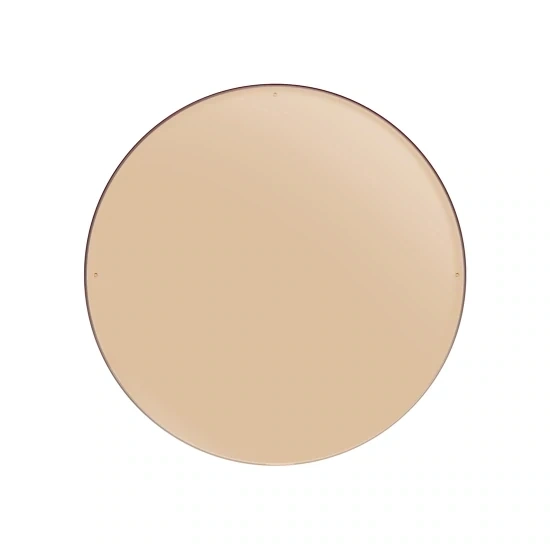
Complex Curves and Protective Structures
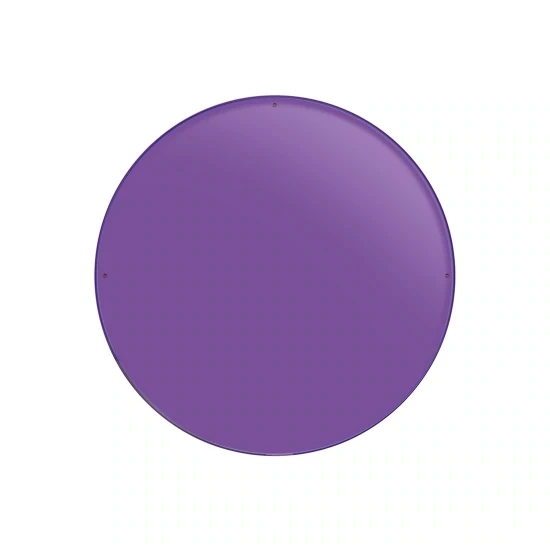
Lightweight and Wraparound Curves
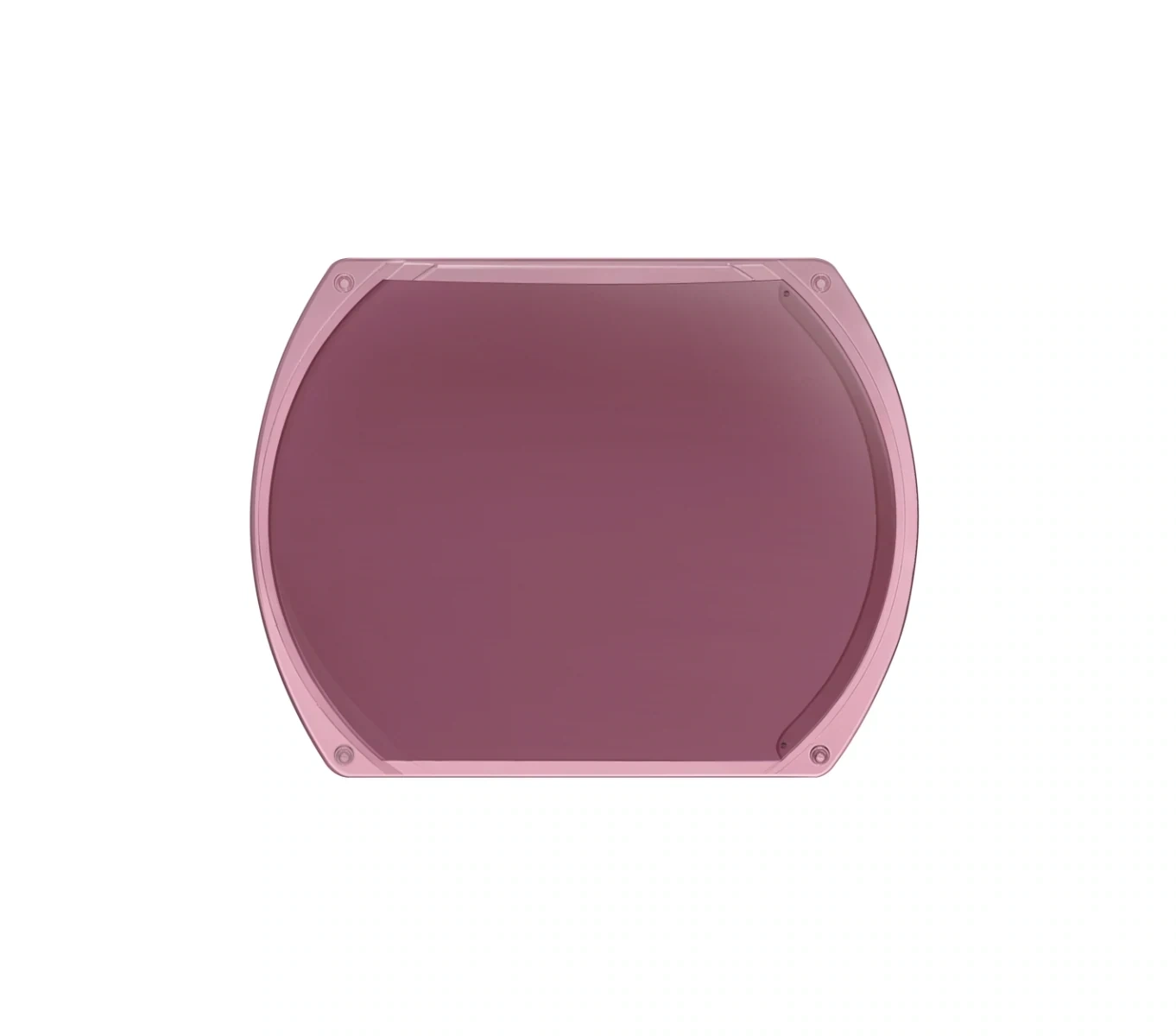
Composite Structure and Directional Glare Control
Cast Resin and Optical Appearance
Materials are a starting point for selection. They do not by themselves indicate polarization, UV protection, VLT, CAT, impact resistance, abrasion resistance, or certification. Final specifications are based on the specified finished-product structure, process, testing, and target-market requirements.
Core optical functions change visible-light transmission, ultraviolet transmission, polarization state, environmental response, or task-specific spectral transmission; actual results depend on the finished structure, use conditions, and verification.
Manage overall visible-light transmission in bright environments
PC / Nylon / TAC / CR-39 / Glass, depending on the transmission target, structure, and finished-product requirements
Reduce ultraviolet transmission through the finished lens
Determined by the substrate, additives, tinting, and coating combination; verify with finished-product UV testing

Selectively attenuate reflected glare with a specific polarization direction
Polarizing film / polarizing sheet component + PC / Nylon / TAC / CR-39 carrier structures; verify on the finished product
Change lens transmission with changing light conditions
Photochromic system + PC / Nylon / CR-39 carrier structures; confirm with formulation-specific finished-product testing
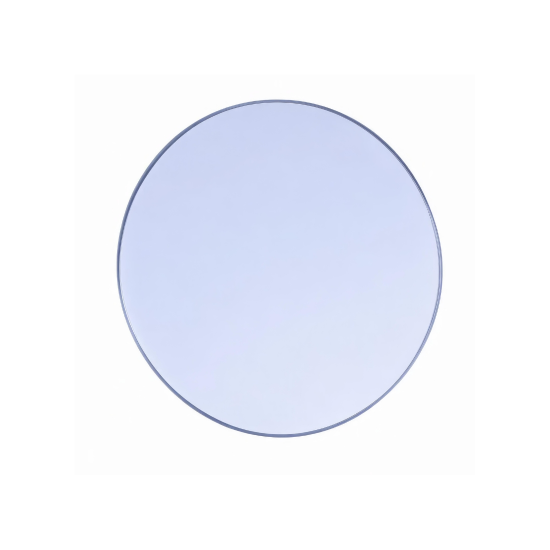
Adjust visible-light transmission by target wavelength bands
PC / Nylon / TAC / CR-39 / Glass structures with a defined spectral design; select by spectrum and finished-product validation
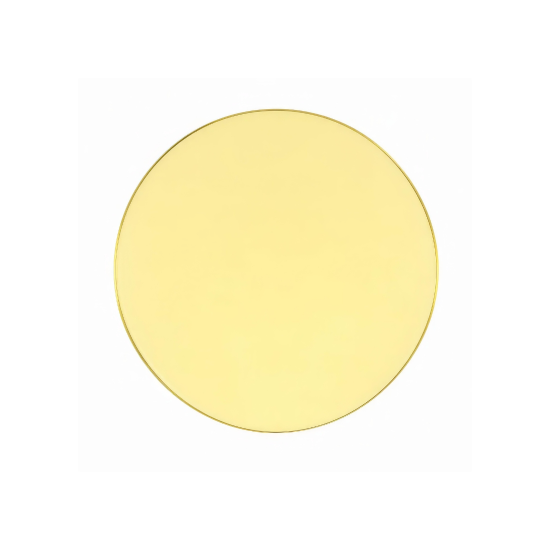
Improve separation between target and background in selected conditions
PC / Nylon / TAC / CR-39 structures with a defined spectral design; material name alone does not determine contrast performance
Solar filtering manages overall visible light; UV function manages ultraviolet transmission; polarization addresses reflected glare from particular directions; photochromic systems respond to light exposure; selective transmission and high contrast manage specific spectral bands. VLT, CAT, UV transmission, polarization efficiency, spectral curves, and visual results must be treated as finished-product verification targets.
Surface treatment functions change how the lens surface interacts with light, contaminants, wiping, and warm humid environments; actual results depend on the coating system, use conditions, and verification.
Abrasion resistance for defined lens systems and test methods
Reduces surface reflection within defined wavelengths, angles, and sides
Reflective appearance within the finished-product transmission and reflection relationship
Outermost easy-clean top coat that reduces water marks and fingerprints
Delays or reduces visible fogging under defined fogging conditions
HC manages abrasion resistance; AR manages surface reflection; mirror and flash manage reflective appearance; H/O manages the cleaning experience; AF manages fogging under defined conditions. Polarization, UV, CAT, and impact resistance are never implied by a coating name and must be verified on the finished product.
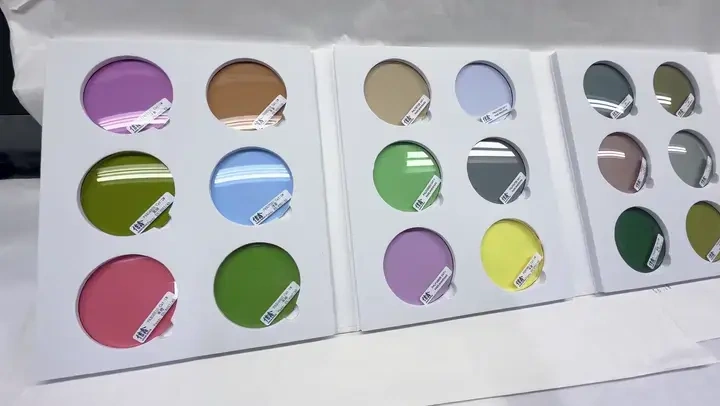
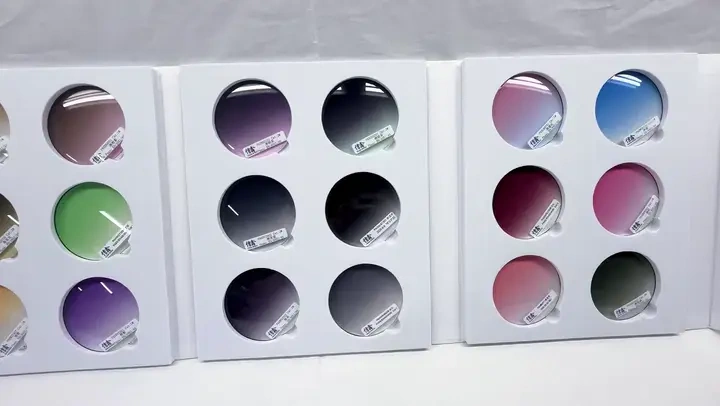
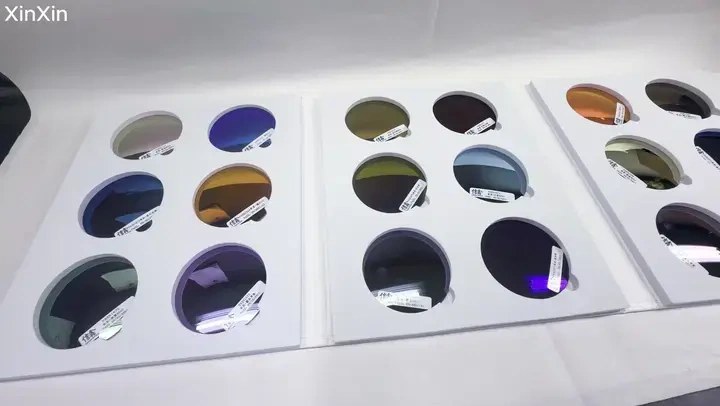
Color and appearance options define the transmitted or reflected look of the finished lens: a single color or transmission target, a spatial distribution, a clear or high-transmission state, or a reflective mirror and flash face. They belong to the product-combination dimension rather than the core-function level. Color, mirror, or gradient alone cannot prove UV protection, VLT, CAT, polarization, or driving suitability; each result must be confirmed on the finished product with agreed test conditions and market documentation.
A single color or transmission target over the whole lens area
In-body coloring, tinting, or absorbing layers on the chosen substrate; confirmed with the target color, reference samples, and finished-lens VLT and transmission spectrum
A spatial distribution of color or transmission target across the lens area
Gradient dyeing, tinting, or absorbing structure on a base substrate; the final distribution is defined by drawings, reference samples, and agreed measuring points
A visible-light transmission target or appearance state
Clear base substrate with optional UV, anti-reflection, selective, or photochromic structures; confirmed by the transmission spectrum, color cast, and reference samples
A reflective outer appearance formed by the coated side
Reflective coating stack on the outer side of a tinted or mirror base; confirmed with the reflection spectrum and coating reliability
Solid tint defines the color and transmission target of the whole lens; gradient or gradient distribution maps a different color or transmission across the lens; clear or high-transmission serves a transparent or high-transmission appearance; mirror or flash creates a reflective outer look. Color, mirror, and gradient cannot be used to infer UV, VLT, CAT, polarization, driving suitability, or durability; every claimed combination must be defined and tested on the finished lens.
Different scenarios have significantly different lens requirements. Understanding scenario-based classification helps precise product selection and customer communication.
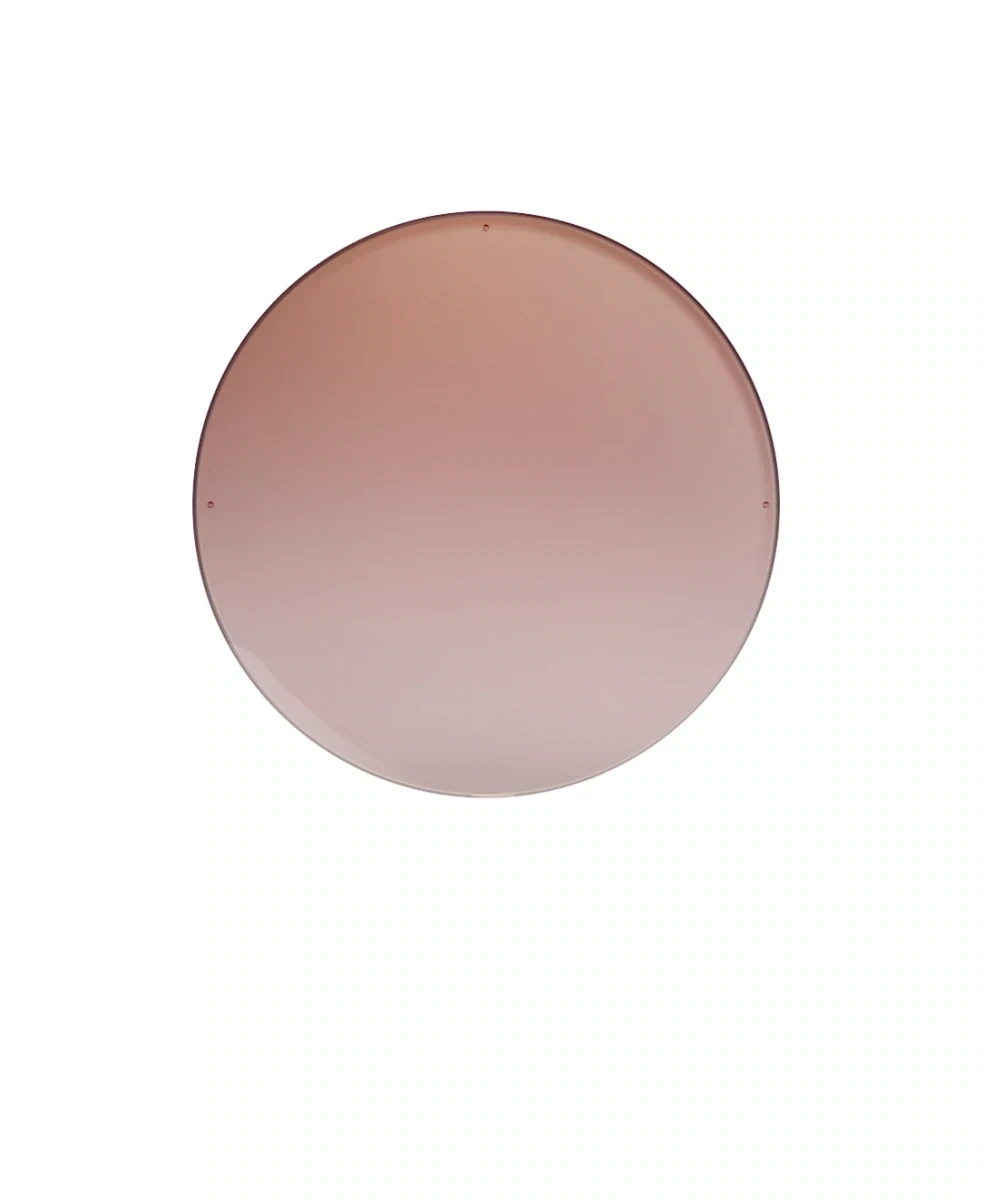
Clear vision with controlled glare
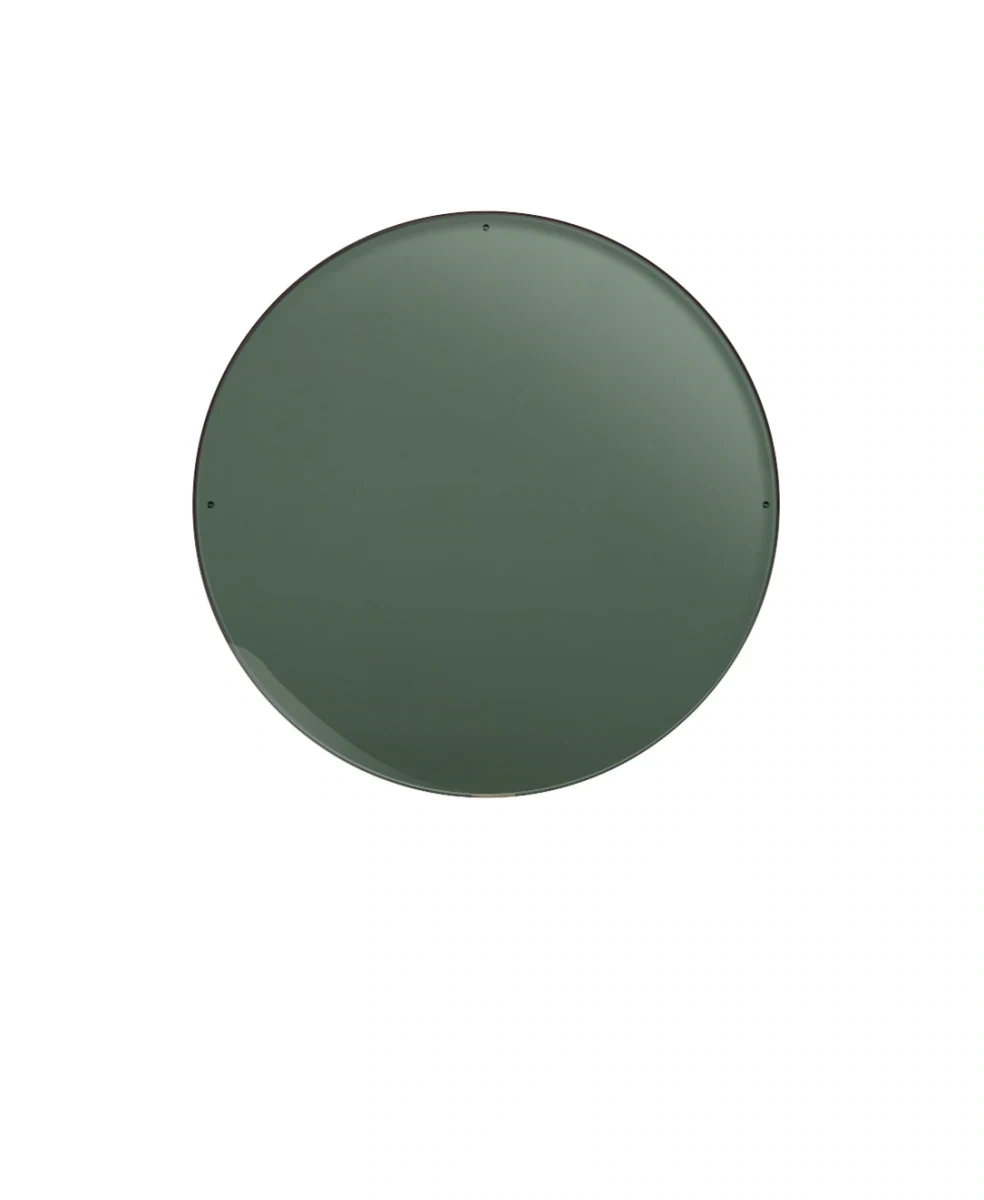
Lightweight optics for changing outdoor conditions
Reduce surface glare around water
High-coverage optics for bright reflective environments
Polarized vision for glare across the water
Contrast-focused optics for changing course conditions
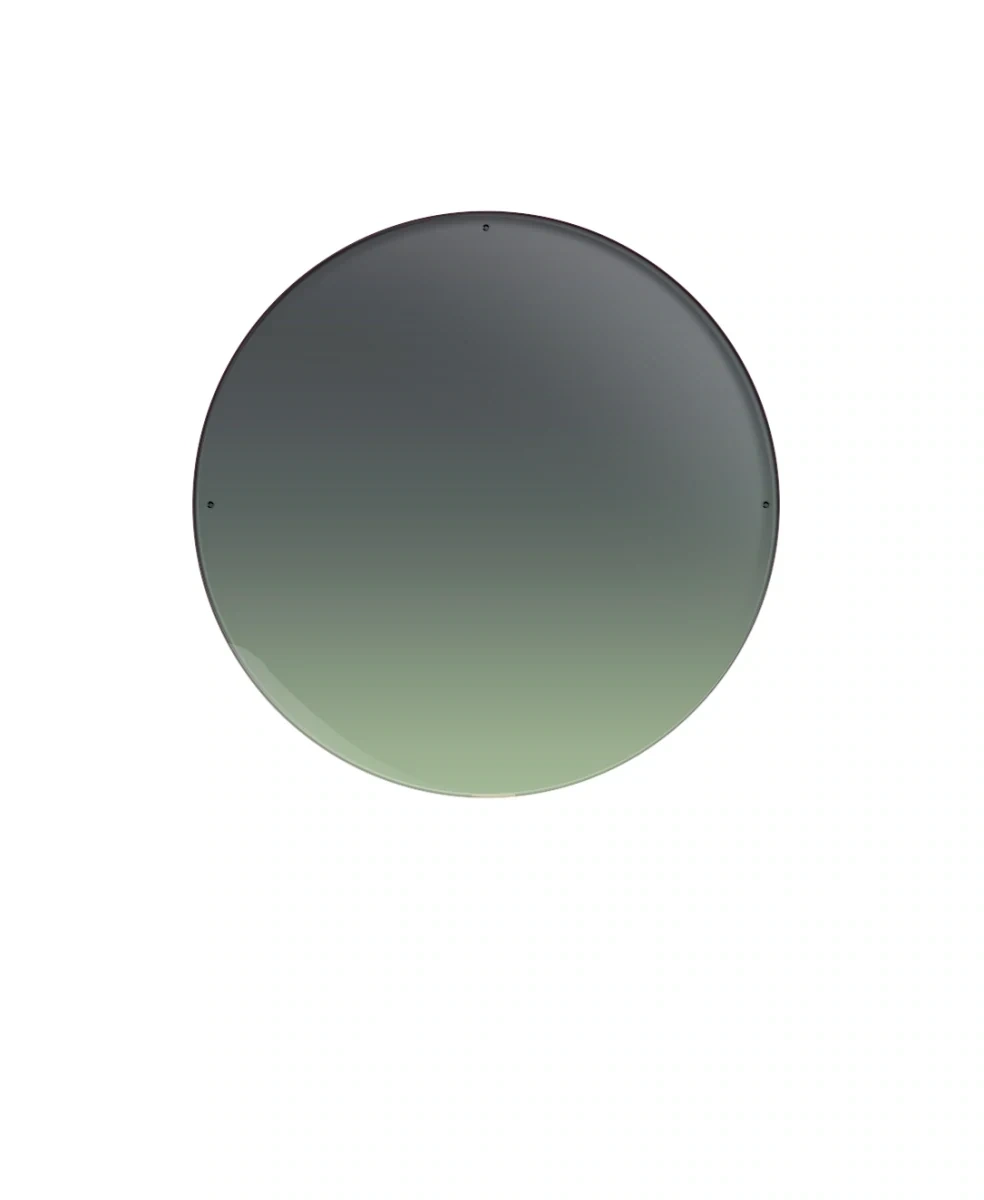
Lightweight lenses for active daily movement
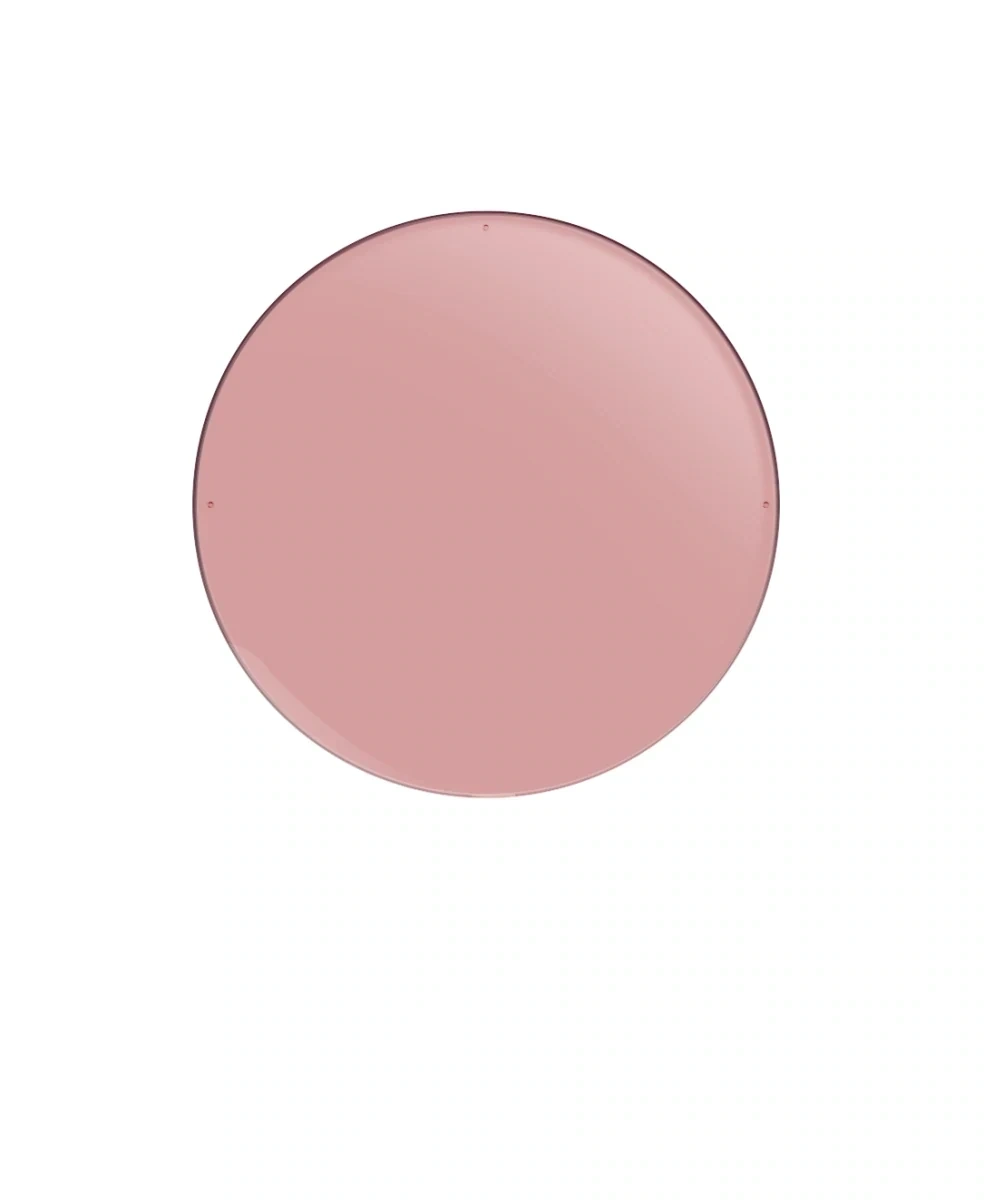
Wraparound coverage for fast-moving outdoor use
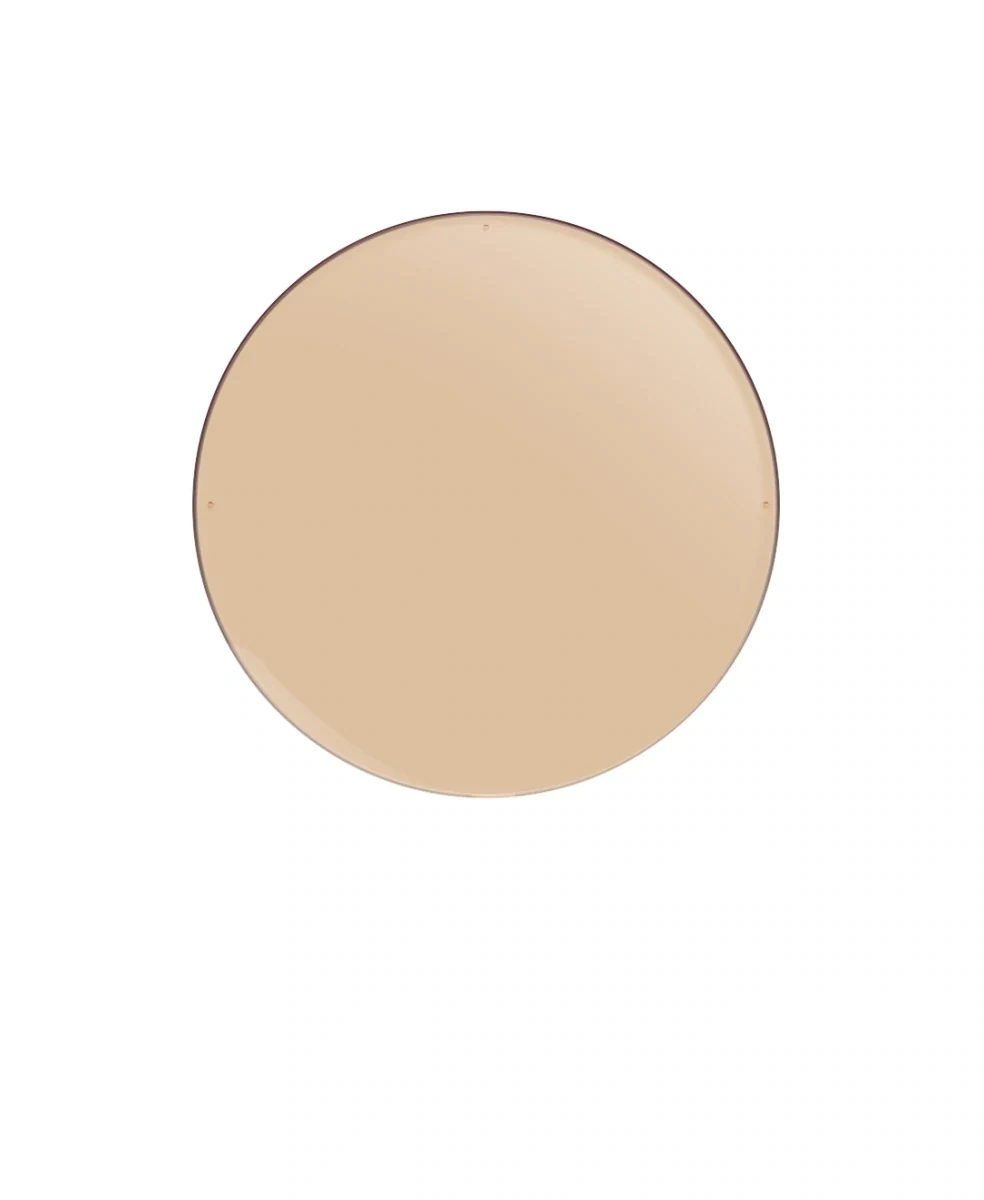
Appearance-led color and lens combinations
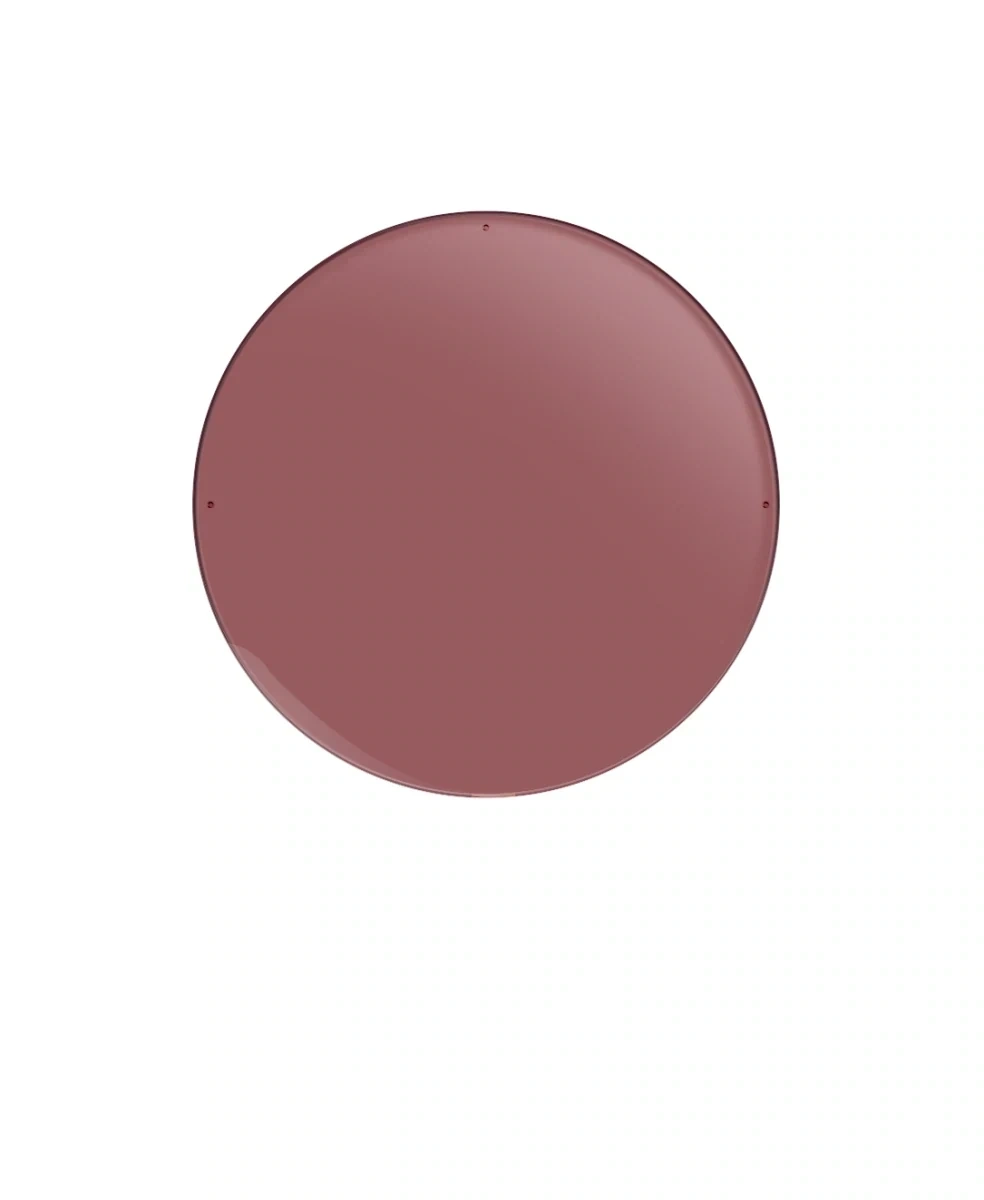
Clear and light-tint options for indoor screens
Lightweight, impact-focused eyewear designs
Prescription lens programs for far and near vision
Driving: Polarized CAT 2–3 · Water/Fishing: Polarized · Sports/Outdoor: Hi-Con or Polarized · Snow/Alpine: CAT 3–4 + Mirror · Fashion/Daily: CAT 1–2 · Children: PC impact-focused. Final specifications depend on the finished lens, intended use, and target market.
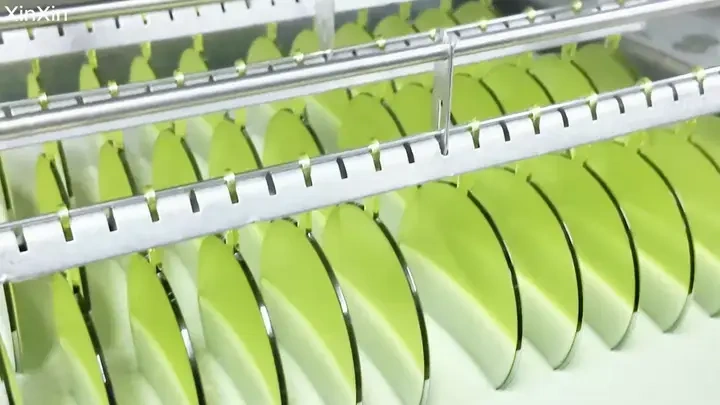
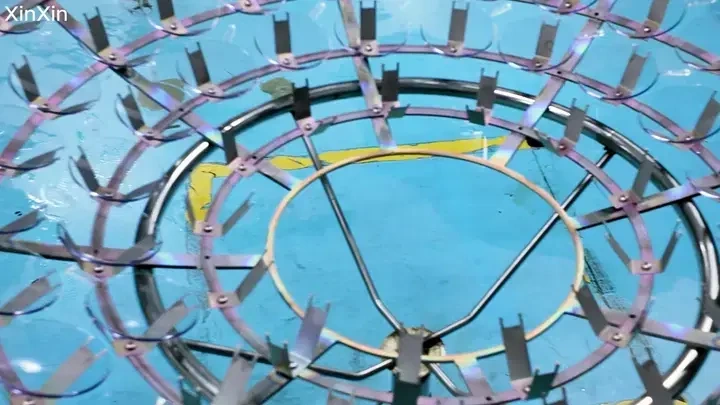
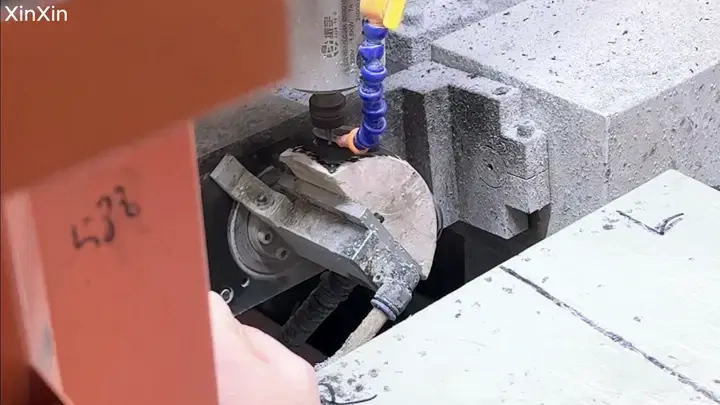
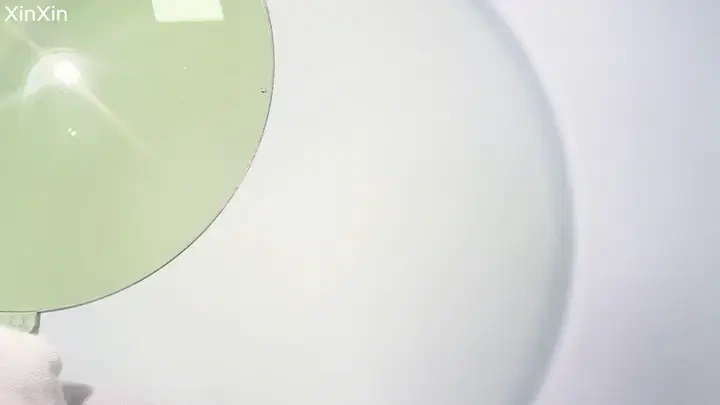
Starting with material and structure definition, plano lenses for sunglasses, sports eyewear, goggles, and protective eyewear are produced through forming, lamination, tinting, coating, and finishing. The applicable process route depends on the lens material, function, curvature, thickness, frame structure, and target-market requirements.
Thermoplastic lens materials such as PC and selected PA grades, with applications in sports eyewear, goggles, and protective eyewear.
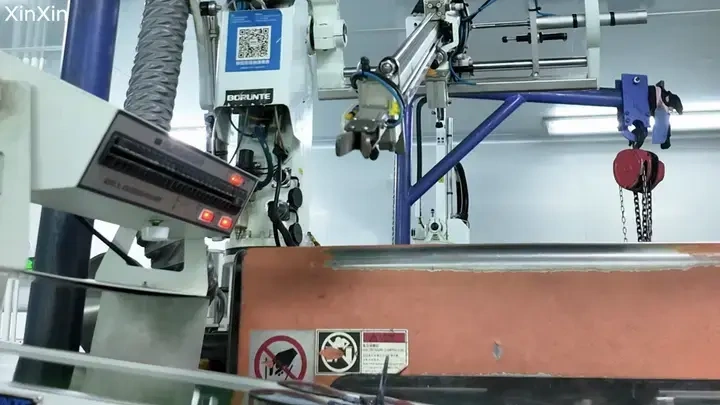
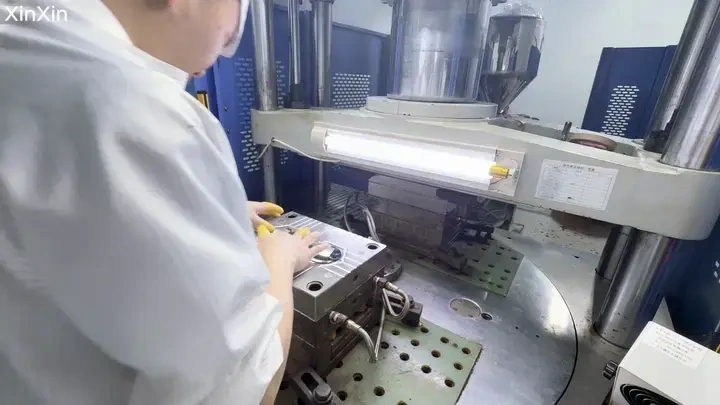
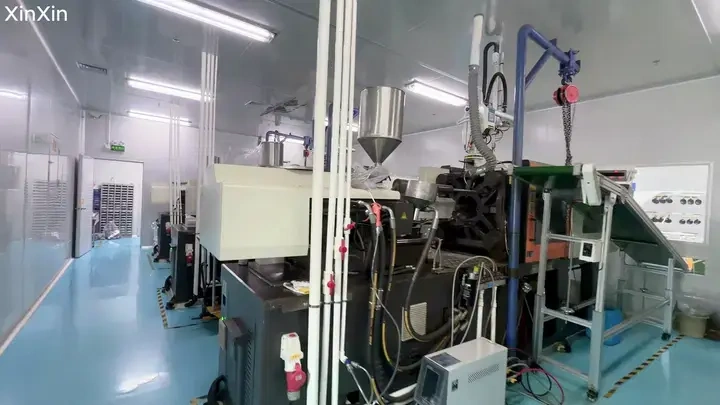
Injection molding can form complex curves and wraparound structures when the material, mold, and equipment are properly matched. Material condition, mold design, injection, packing, and cooling affect lens dimensions, curvature, warpage, surface condition, and residual stress.
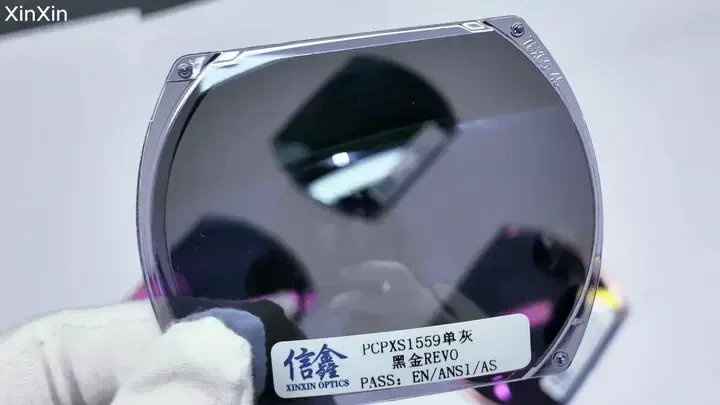
Composite lenses made from TAC, polarizing elements, protective layers, support layers, and adhesive layers, commonly used for polarized sunglasses.
Lamination combines multiple functional layers into an integrated structure. Key controls include layer sequence, alignment, polarizing axis, interface cleanliness, adhesive layer, and edge sealing.
Sheets or laminated semi-finished parts that have been validated for thermoforming. Common applications include wraparound sunglasses, sports eyewear, and goggle structures.
Heating, mold forming, and controlled cooling create the target curve. Thermoforming may affect curvature, thickness, polarizing axis, optical performance, interlayer stress, and edge condition.
Resin systems such as CR-39, commonly used for sunglasses, tinted lenses, and gradient lenses.
Resin preparation, filtration, degassing, injection into the mold, polymerization, curing, and cooling jointly determine the lens forming quality.
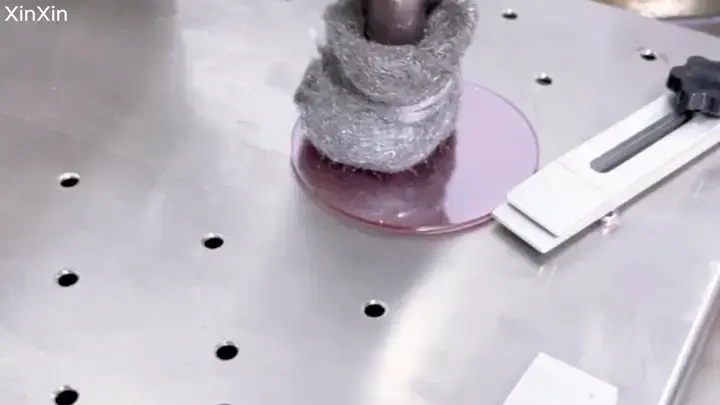
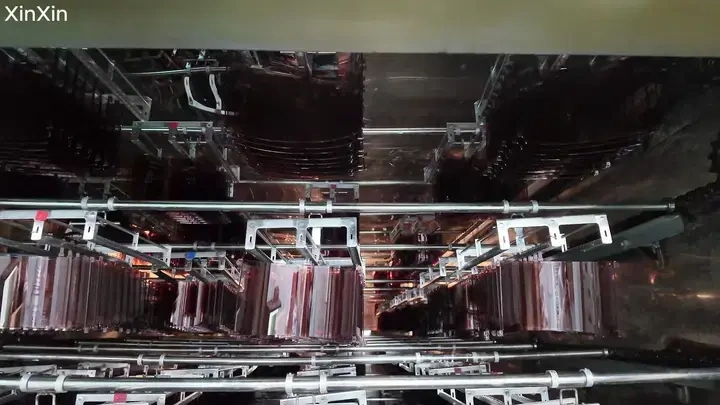
Creating solid colors, gradients, and target transmission effects. Depending on the material and product structure, routes may include mass coloring, dip tinting, or gradient dip tinting.
The selected tinting route must be matched to the lens material, target appearance, transmission requirement, and subsequent coating process.
Product designs that require hard coating, anti-reflective coating, mirror coating, hydrophobic and oleophobic treatment, or anti-fog treatment.
Different coatings address different requirements: hard coating focuses on abrasion resistance; anti-reflective coating focuses on transmission and reflection performance; mirror coating focuses on reflective appearance and spectral behavior; hydrophobic and oleophobic treatments focus on wetting and cleaning; anti-fog treatment focuses on fogging control under specified conditions.
Forming the lens outline, edges, and surface condition required for assembly. This route may apply to glass, sheets, and lens blanks.
The finishing route prepares the lens geometry and surface condition for accurate assembly while protecting the finished lens from edge and surface defects.
Confirmation of Process Results: Material names and process names do not by themselves represent fixed UV performance, VLT, CAT, polarization, impact resistance, abrasion resistance, or certification status. Final performance depends on the specific material or component, lens structure, curvature, thickness, surface treatment, processing conditions, and complete finished-lens testing.
Optical specifications define the transmission, protective performance, curvature, and finished-lens visual quality requirements for plano sunglass, sports eyewear, goggle, and protective eyewear lenses. Every value is tied to a specific model, lens construction, sample condition, test method, test conditions, and target-market standard.
VLT defines lens darkness — confirmed by measurement, not by eye.
UV filtration depends on the substrate, tinting, polarization, and coatings.
Polarization comes from the laminated structure, not the material name.
Base curve defines the curvature design — not the wrap or lens angle.
Index and Abbe data compare materials for lens-curve design.
Processing and assembly stress can distort the optical wavefront.
Material, color, coating, or process names do not by themselves represent a lens's UV, VLT, CAT, polarization, impact resistance, abrasion resistance, or market compliance; actual performance depends on the specific material, construction, thickness, curvature, surface treatment, processing, and assembly condition. Specifications and acceptance criteria must be based on mutually approved samples, drawings or BOM, test methods, standards, test reports, and batch information. Test data and reports support contract specifications, inspection, and market-compliance documentation.
Submit your project information, and our engineering team will deliver a detailed preliminary review within 24 hours.
Your inquiry has been sent successfully. We will contact you within 24 hours.
Or contact us directly: